Solana in Europe and the UAE 2026: Licences, Money and Jobs
MiCA licences, euro stablecoins, UAE bank tokens and cheap SOL ETPs: where Solana teams in Europe and the Gulf are hiring, and what investors should watch.
By Solana Teams · · 5 min read
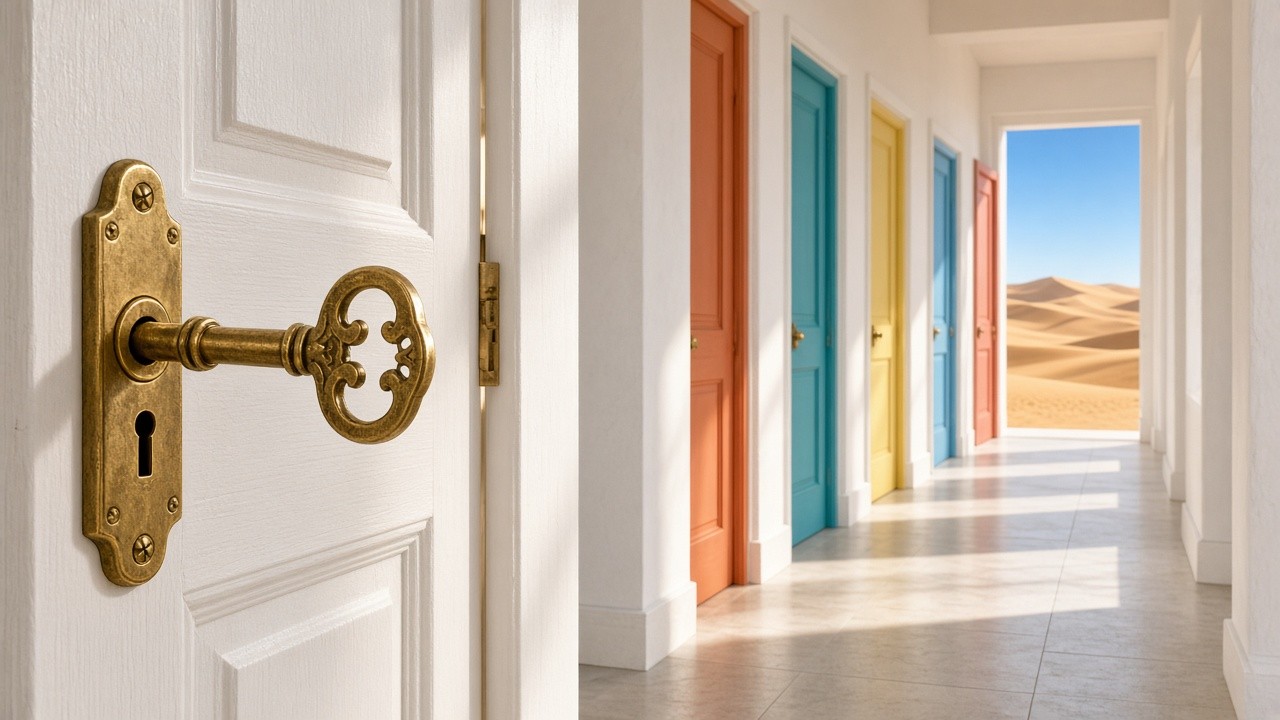
Asia-Pacific and Latin America get a lot of Solana headlines. But some of the most useful moves for careers and money in 2026 are happening in two places that look nothing alike: the European Union, with its giant rulebook, and the UAE, with its fast, licence-first hubs in Dubai and Abu Dhabi.
Here's the thing they share. In both places, the paperwork is now the product. Teams that hold the right licence can sell to millions of people. Teams that don't are locked out. That creates a very specific kind of job market, and a very specific kind of investor signal.
Europe: MiCA stopped being a future problem
The EU's Markets in Crypto-Assets rules (MiCA) are no longer a "coming soon" story. The last grandfathering window closed on 1 July 2026, and the EU regulator ESMA has said firms without authorisation must stop offering crypto services until they get one. According to Crypto Briefing, only about 210 of more than 1,200 firms with older national registrations had made the jump to full MiCA authorisation, roughly 17%.
That's a brutal filter. It's also a gift for the teams that got through, because one licence in one country can be passported across all 27 member states.
Backpack shows what a licence stack is worth
The clearest Solana example is Backpack. On 27 May 2026, Latvijas Banka granted its EU company, Trek Technologies SIA, both a MiCA crypto-asset licence and a payment institution licence. On top of that, its Cyprus entity (formerly FTX EU) holds a MiFID II investment firm licence, which is what lets it offer regulated perpetual futures in Europe.
Three licences, one brand, every EU country. That's a moat you can't fork.
My take: if you're a compliance officer, a payments lawyer or an operations lead who has actually lived through a MiCA application, you're one of the scarcest people in crypto right now. Solana teams that want European users will pay for that experience.
Euro stablecoins are small but real
Dollars still rule on-chain, but the euro is finding a home on Solana. The eurostablecoins.xyz tracker showed about €71 million of euro stablecoins on Solana on 9 November 2026. That's the second-largest share of any blockchain, at 8.9% of tracked supply. More telling, those tokens moved about €1.5 billion in transfers over the last 30 days.
Most of it is EURC from Circle, at roughly €67 million. Behind it sit smaller issuers including Schuman Financial's EURØP and Société Générale-FORGE's EURCV, a MiCA-compliant euro token backed by cash in segregated accounts at the French bank.
Is €71 million huge? No. But a big French bank chose Solana for a regulated euro token, and the tokens are actively moving rather than sitting still. For job seekers, that means room for people who understand both European payments (SEPA, e-money rules) and Solana token standards. That mix is rare.
Easy SOL exposure, at very different prices
For investors, Europe has quietly built a deep shelf of Solana exchange-traded products. These are listed notes backed by real SOL, not US-style ETFs. In the UK, ETP Insider lists staking products with annual fees from 0.00% (CoinShares) and 0.35% (21Shares Core) up to 2.50% (the older 21Shares ASOL).
That spread matters. As CryptoTicker points out, the pricier ASOL still holds around €588 million, far more than cheaper rivals. My advice is simple: compare the fee after staking rewards, check the factsheet, and remember UK crypto notes aren't covered by the FSCS compensation scheme.
The UAE: licence-first, and moving fast
If Europe is one huge rulebook, the UAE is a set of fast lanes. Dubai has VARA, Abu Dhabi has ADGM's FSRA, and the central bank oversees payment tokens. The Solana Foundation has formal agreements with both ADGM and Dubai's VARA. The VARA deal backs talent programmes and a Solana Economic Zone in Dubai.
Bank money is landing on Solana
Two things this autumn caught my eye.
First, Zand Bank's dirham stablecoin, AEDZ. According to OnChain Benchmark, AEDZ supply across Ethereum and Solana jumped from about AED 206 million to AED 1.01 billion (around US$274 million) between 17 September and 6 October 2026. About AED 497 million of that sat on Solana. To be fair, the analysts note that much of the growth looks like big wholesale blocks, not everyday payments yet. But a licensed bank picking Solana for local-currency money is a strong signal.
Second, on 13 October, ADGM-regulated Universal brought USDU, its US dollar stablecoin, to Solana. It's the first USD-backed token registered with the UAE central bank as a Foreign Payment Token, and it's aimed at institutions.
Superteam UAE is the front door
For people, the best on-ramp is Superteam's UAE chapter. Its site says it has helped teams relocate to Dubai, join accelerators, raise money and hire engineers. It offers Instagrants of up to $10,000, help with Dubai company setup through a partner, a Solana coworking space, and a network of 90+ VCs. Its Frontier hackathon side track this year scored projects partly on "regulatory readiness" with VARA, ADGM and DIFC. That tells you exactly what local backers care about.
Where the jobs are
Put Europe and the UAE together and a clear pattern shows up. The hot roles aren't only Rust engineers. They're the people who make regulated money work:
- Compliance and licensing leads who know MiCA, VARA or FSRA from the inside.
- Payments engineers who can connect SEPA, card rails or bank APIs to Solana tokens.
- Treasury and operations staff for stablecoin issuers and exchanges. Tools like Squads Protocol multisigs are now standard kit here.
- Institutional sales and BD people who can talk to banks, brokers and fund managers.
- Solana developers who are comfortable with Token-2022 features like transfer hooks and allow-lists, which regulated issuers use.
Browse Payments and Stablecoins & Staking teams, then check jobs.solana.com for roles tagged Europe or Dubai.
What investors should watch
- Licence count, not hype. In both regions, a team with live authorisations has a head start that's hard to copy.
- Euro and dirham supply on Solana. Growth in circulating, divided balances (not just big blocks) would show real payment use.
- ETP fees and flows. Falling fees are great for holders and push issuers to compete on staking yield.
- The UK. The FCA's crypto authorisation window opened on 30 September 2026, ahead of a regime that starts on 25 October 2027. Expect a fresh wave of UK hiring through 2027.
I'm optimistic here. Rules can feel slow, but they're also what lets banks, brokers and pension money show up. Europe and the UAE are building the regulated rails, and Solana is clearly one of the chains they're choosing.
What to do next
Explore the teams building regulated products on Solana at Solana Teams. Start with Backpack, Circle and Superteam, and follow the ones hiring in your time zone.
Building on Solana in Europe or the Gulf? List your team so job seekers and investors can find you.