Solana DePIN in 2026: Top Teams, Jobs and Investment Outlook
Solana DePIN guide for 2026: how Helium, Hivemapper, GEODNET and Render earn real revenue, which skills teams hire for, and what investors should watch.
By Solana Teams · · 5 min read
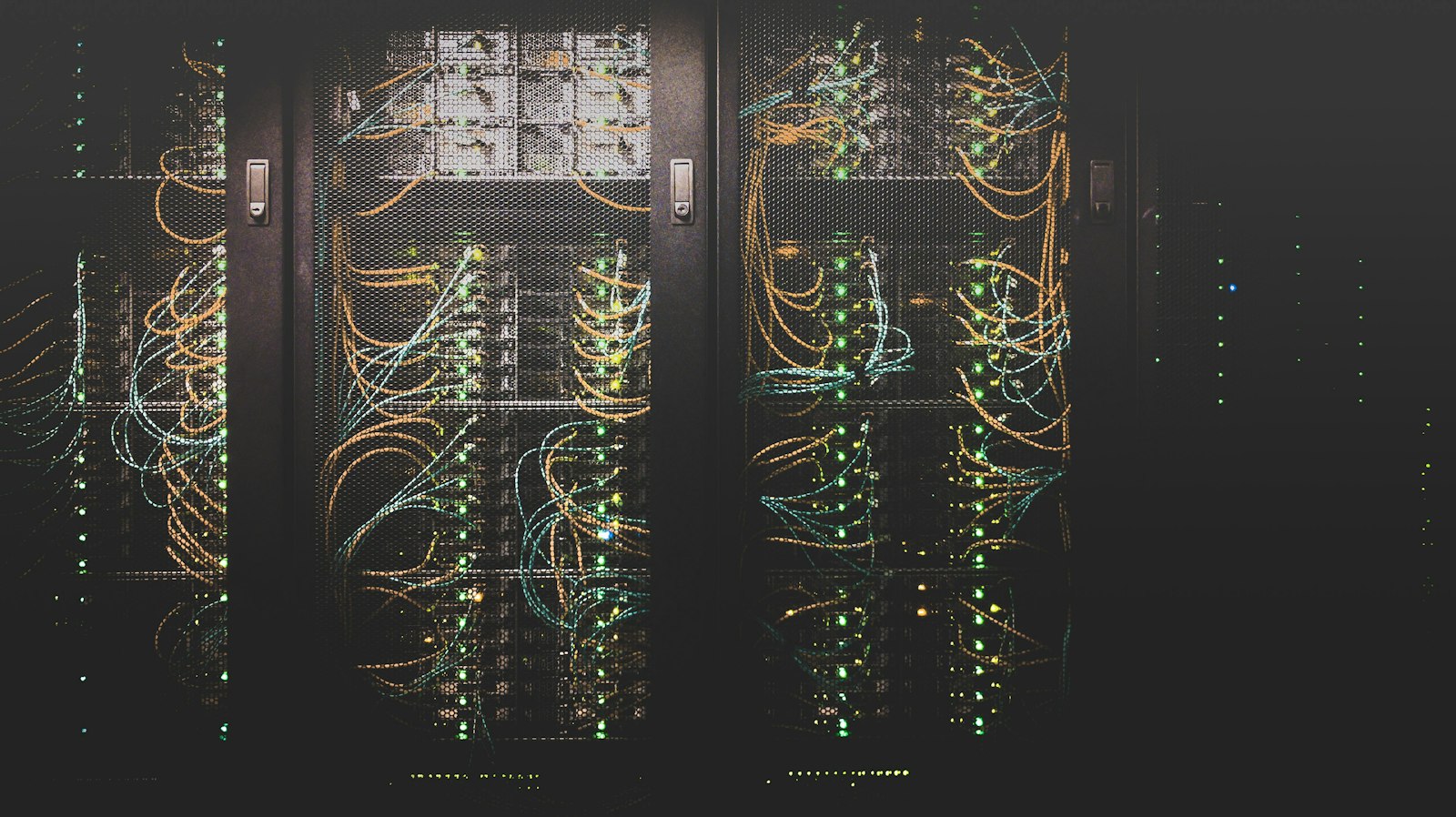
Solana DePIN is one of the clearest signs that the network is growing beyond trading. DePIN stands for decentralised physical infrastructure networks. These are projects where ordinary people run real hardware, like wireless hotspots, dashcams or GPS stations, and get rewarded on Solana.
In 2026 the sector has moved from hype to real revenue. That matters if you are looking for a job, planning your next career move, or weighing up where to invest. This guide covers the teams doing well, the numbers behind them, and the skills they need.
What Is Solana DePIN?
A DePIN project uses tokens to pay people who build and run a physical network. Instead of one company paying for every tower or camera, thousands of contributors share the work.
Solana is a popular home for these networks because transactions are fast and cheap. That suits projects that send millions of small reward payments. Solana's own DePIN page lists around $400m in yearly rewards and about 2 million DePIN transactions per month. Those are the network's own figures.
Several big names also moved to Solana from other chains. Helium came over from its own layer 1, and Render and GEODNET came from EVM chains.
You can browse the whole sector in our DePIN category.
Solana DePIN Teams Doing Well in 2026
Helium: decentralised wireless with real revenue
Helium (helium.com) is the biggest Solana DePIN network by revenue. People host hotspots that give mobile coverage, and phone carriers pay to move ("offload") data onto the network.
Key points from 2026:
- Helium's monthly revenue hit a record $2.5M in March, according to Syndica's DePIN report.
- Blockworks' Q2 2026 report says mobile daily active users averaged about 2.88M, up 21% on Q1, and peaked near 3.49M on 20 June.
- On 2 June, Helium Mobile, the consumer phone plan, was bought by Andrew Yang's Noble Mobile. Noble has committed to use the Helium Network for its own subscribers.
The sale lets Helium focus on being wholesale infrastructure for carriers. For investors, that is a cleaner story: revenue now ties more directly to carrier demand.
Hivemapper: crowdsourced maps
Hivemapper (hivemapper.com) pays drivers to collect road imagery with dashcams. In October 2026 it reported mapping about one-third of the world's roads.
Lyft is integrating Hivemapper's community-built maps into its workflows, according to DepinScope. That kind of enterprise customer is what turns a token project into a data business. Activity has been up and down month to month, so watch contributor numbers as well as headlines.
GEODNET: precise positioning for robots and machines
GEODNET (geodnet.com) runs a global network of satellite reference stations. These give centimetre-level location data for drones, farm machines and robots. Solana's DePIN page lists around 18,000 stations.
On X in early October, ecosystem watchers pointed to record weekly GEODNET token burns of about $240K. The team pitched itself as "rails for physical AI" at TOKEN2049 Singapore.
Render and io.net: GPU power for AI
Render Network (rendernetwork.com) connects people who need GPU power with people who have spare GPUs. In April 2026, Render burns rose to $221k, helped by a vote that made Render the payments layer for Salad's 60k-GPU network.
io.net (io.net) offers decentralised GPU compute for AI teams. Both sit where DePIN meets the AI category, one of the fastest-moving areas in crypto.
Grass and NATIX: data networks
Grass (getgrass.io) lets users share unused internet bandwidth to collect public web data, often used for AI training. Natix Network (natix.network) gathers camera and road data from drivers, a bit like Hivemapper.
Solana DePIN Revenue: The Big Picture
Syndica's monthly reports give a useful view of the whole sector:
- In March 2026, Helium, Render, Hivemapper, UpRock, NATIX, XNET and GEODNET together generated $2.9M in revenue.
- In April 2026 the same group made $2.8M, holding above $2.5M.
- Rewards paid to people running hardware were about $1.8M in April.
The trend is simple. Revenue from real customers is now close to, or above, the rewards being paid out. That is the test investors care about most.
Solana DePIN Jobs: Skills Teams Are Hiring For
DePIN teams need a wider mix of skills than a typical DeFi app. Hardware, telecoms and field work all play a part.
Technical roles
- Rust and Solana developers to build reward programs and on-chain logic.
- Backend and data engineers to handle huge streams of device data.
- Firmware and hardware engineers for hotspots, dashcams and base stations.
- Machine learning engineers, especially at GPU and mapping networks.
Non-technical roles
- Business development to sign carriers, mapping buyers and AI customers.
- Community and operations to support thousands of hardware hosts.
- Telecom, GIS and logistics experts who know the old industries DePIN is trying to replace.
If you come from telecoms, mapping or cloud computing, your experience is a real advantage here. Many DePIN teams value industry knowledge as much as crypto knowledge.
How to get started
- Pick one network and run its hardware or app yourself. It teaches you the product fast.
- Read the monthly data reports so you can talk about real numbers in interviews.
- Check each team's careers page and our team profiles for open roles.
- Join hackathons. On X this week, new DePIN builders such as HaLoWave were sharing pitches for the Colosseum hackathon.
Investment Outlook for Solana DePIN
DePIN is not risk-free. Many tokens are well below past highs, and some networks have seen activity drop for a month or two. Contributor numbers can fall if rewards shrink.
But the stronger projects now show:
- Real paying customers, such as carriers, Lyft and AI firms.
- Revenue that tracks usage, not just token rewards.
- Token burns linked to demand, as seen at Helium, Render and GEODNET.
For investors, the best signal is steady revenue growth over several months, not one-day spikes. This is general information, not financial advice, so always do your own research.
What to Do Next
Want to work in or invest in Solana DePIN? Start by exploring the teams behind it.
- Browse every project on Solana Teams.
- Dig into the DePIN category and the Infrastructure category.
Building a Solana team yourself? List your team on Solana Teams so job seekers and investors can find you.