Solana NFTs in 2026: Teams, Jobs and Where the Money Went
Solana NFTs moved into focused marketplaces, vaulted trading cards and studio brands. See who is growing, who is hiring and what investors should watch.
By Solana Teams · · 6 min read
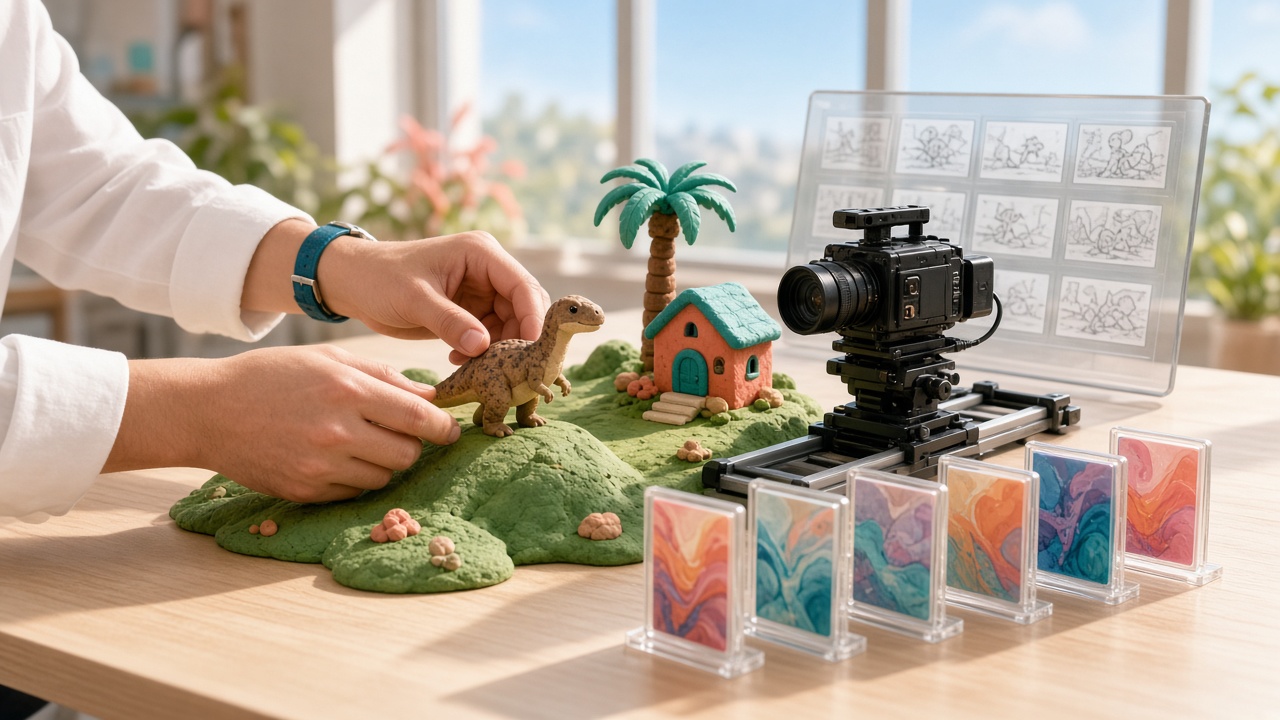
If you wrote off Solana NFTs after the 2022 profile-picture craze, I get it. A lot of that hype is gone. But the money didn't vanish. It moved. In 2026 it went into three places: a couple of focused marketplaces, collectible trading cards backed by real cards in a vault, and brands that act more like small media studios than JPEG drops.
That shift matters if you're hunting for a job or an investment. The roles and revenue in Solana NFTs now look a lot like consumer tech, gaming and entertainment. Here's what's really happening, and how I'd play it.
The marketplaces got smaller and sharper
Magic Eden went all in on Solana
Magic Eden made the biggest call of the year. At the end of February 2026 it said it would close its Bitcoin and EVM marketplaces, and non-Solana trading ended on 9 March. The reason was simple maths. Citing Dune data, Decrypt reported that in the month before the announcement Magic Eden handled about $576 million of collectibles volume, mostly on Solana, and only about $121,000 of it was Bitcoin-based.
Its Solana marketplace is still running, along with products like Packs and Lucky Buy. But a lot of the hiring energy has gone into Dicey, its crypto casino and sportsbook. This year's job posts tell the story: a Head of Finance for Dicey based in Melbourne or Sydney, a Staff Data Scientist in Melbourne, and a remote growth product lead. Both of the Australian roles have now closed. Right now the Magic Eden careers page lists one opening, a remote Senior Growth Product Manager role described as "AI-native", where you'd build agents and automated pipelines to run player campaigns.
My take: if you're a growth, data or finance person who likes consumer products with real money flowing through them, this team is worth watching. Just go in with your eyes open. It's a gaming business now, not an art marketplace.
Tensor is the trader's venue
Tensor is still the pro trading screen for Solana NFTs. It pulls in listings from across the main Solana marketplaces, and one analysis this year put its share of Solana NFT trading above 33%. The Tensor Foundation runs the marketplace and TNSR governance. Its spin-off trading app, Vector.fun, was bought by Coinbase in November 2025 and folded into Coinbase's Solana trading.
That's a good sign for builders. A team that knows how to build fast Solana trading products got acquired by one of the biggest names in crypto. The token side is harder. TNSR unlocks have added selling pressure, so I'd judge Tensor on trading activity, not hype.
OpenSea came back
On 31 August 2026, OpenSea brought back Solana NFT trading, starting with selected collections including Mad Lads, Claynosaurz, Collector Crypt and Phygitals. It's a vote of confidence, but early data shows Magic Eden still leads by a wide margin. One tracker counted about $60 million of Solana NFT marketplace volume over the 30 days to early October. That's real, but it's a fraction of the peak.
Trading cards became the biggest NFT business on Solana
This is the part most people miss. The busiest "NFTs" on Solana right now are graded Pokémon and sports cards that are stored in vaults and turned into tokens.
Collector Crypt leads this category. Blockworks' Q2 2026 report put its gross volume at $406.1 million, about 51% of all spending across the five big tokenised card platforms it tracked. Around 97% of that came from random card packs, which work like the gacha machines found in Japanese games. You buy a pack, open it, and keep the card or sell it straight back to the platform. Q3 was another record, with $433.5 million in revenue and $25.4 million in gross profit.
Now the realistic bit. Most of that money goes straight back out. About 94% of Q3 revenue went to buybacks and redemptions, and gross margin stayed between 5.9% and 6.7%. Pine Analytics found just 548 wallets made up 83% of spending. Smaller rival Phygitals shows how fast this can turn. Messari found its pack volume fell 77.5% between May and July.
So is it a bubble? Not exactly. Real cards are being graded, stored and shipped, and that needs real operations people. But I'd want to see more everyday buyers, not just whales, before I called it a durable business.
NFT brands are turning into studios
Claynosaurz is the best example of where the NFT story goes next. The 2022 dinosaur collection, made by a team of film animators, put three short episodes on Amazon Prime Video and Apple TV in July 2026. A full 39-episode series for kids aged 6 to 12 is in production with Mediawan Kids & Family. In September the team named Emmy-nominated writer James Hamilton as head writer and said 15 scripts were done.
It's also testing new ways to pay fans back. These include a "Watch & Collect" card format, the HEEBOO token (live on Solana since 27 August 2026), and stock options for long-term holders. You can see the brand at claynosaurz.com.
That's the career signal I like most. Successful collections now need writers, animators, producers, licensing and brand people, not just community managers. Mad Lads and DRiP Haus are other Solana collectible teams worth following if creative work is your thing. If you come from games or media, this is a great way in. Have a look at our Gaming category too.
The plumbing keeps working
Under all of this sits Metaplex, the standard most Solana NFTs and tokens are minted with. Its revenue is way down from 2025, when monthly fees were often above $2 million. In 2026 they've mostly run around $170,000 to $300,000 a month, according to DefiLlama. But usage hasn't died. March 2026 was Core's biggest month ever, with 458,000 new assets, and Metaplex launched an onchain registry for AI agents.
Its token launch product, Genesis, has handled $15 million in raises across 578 tokens, according to Blockworks. Collector Crypt's CARDS token makes up about 86% of curated launch trading volume, and Heeboo raised over $1.2 million there. Half of each month's protocol revenue goes to buying back MPLX. You can read more at metaplex.com.
How I'd play it
For job seekers:
- Look for consumer, growth, data, finance and risk roles. That's where NFT-adjacent teams are hiring, not "NFT strategist".
- If you know physical collectibles, grading, logistics or compliance, the card platforms need you. Not many crypto people have that background.
- Creative people should follow the brands making shows and games. Build a small portfolio that shows you get both fans and storytelling.
- Check the Solana jobs board every week. Roles like Magic Eden's Australian ones open and close fast.
For investors:
- Ask what share of revenue actually stays after buybacks. Big gross numbers can hide thin margins.
- Watch how concentrated buyers are. A few hundred whales is a risk, not a moat.
- Favour teams with income from more than one place: media deals, licensing, and real-world products.
I'm optimistic here. The silly phase burned off, and what's left are teams building real businesses around ownership, fandom and collecting. That's a much better base for the next run.
What to do next
Browse the teams in this post and hundreds more on Solana Teams. See who's hiring, who's raising and who's growing. And if you're building in Solana, list your team so job seekers and investors can find you.